In recent years, global supply chains have faced unprecedented challenges, exposing vulnerabilities and causing widespread delays. Businesses are now focusing on logistics resilience to enhance their operational reliability without incurring hidden costs that can erode profitability. Upgrading supply chains strategically allows companies to reduce delays while maintaining cost efficiency.
Understanding the importance of logistics resilience
Logistics resilience refers to the capacity of supply chains to adapt and recover quickly from disruptions such as natural disasters, geopolitical tensions, or unexpected demand spikes. This quality is essential for preventing delays and maintaining consistent delivery schedules. Organizations that prioritize logistics resilience can better anticipate risks and implement measures that strengthen their networks without relying solely on costly buffers or excess inventory.
Technology-driven improvements in supply chain management
Advanced digital technologies are playing a significant role in improving logistics resilience by providing real-time visibility and enabling data-driven decision-making. Solutions like artificial intelligence, machine learning, and Internet of Things (IoT) sensors allow supply chain managers to monitor shipments, forecast potential delays, and reroute deliveries proactively. These upgrades reduce dependency on manual processes that often cause delays and help organizations avoid extra expenditures related to expedited shipping or emergency sourcing.
Supplier diversification as a strategic upgrade
Diversifying suppliers geographically and by capability is a practical approach to strengthening logistics resilience. Companies that rely heavily on a single source or region exposed to political or environmental risks face greater delay potential. By expanding their supplier base, businesses mitigate disruptions without necessarily increasing hidden costs, as competition among suppliers can maintain favorable terms and pricing. This strategy also enables flexibility in adapting to fluctuating market conditions.
Investing in infrastructure and automation
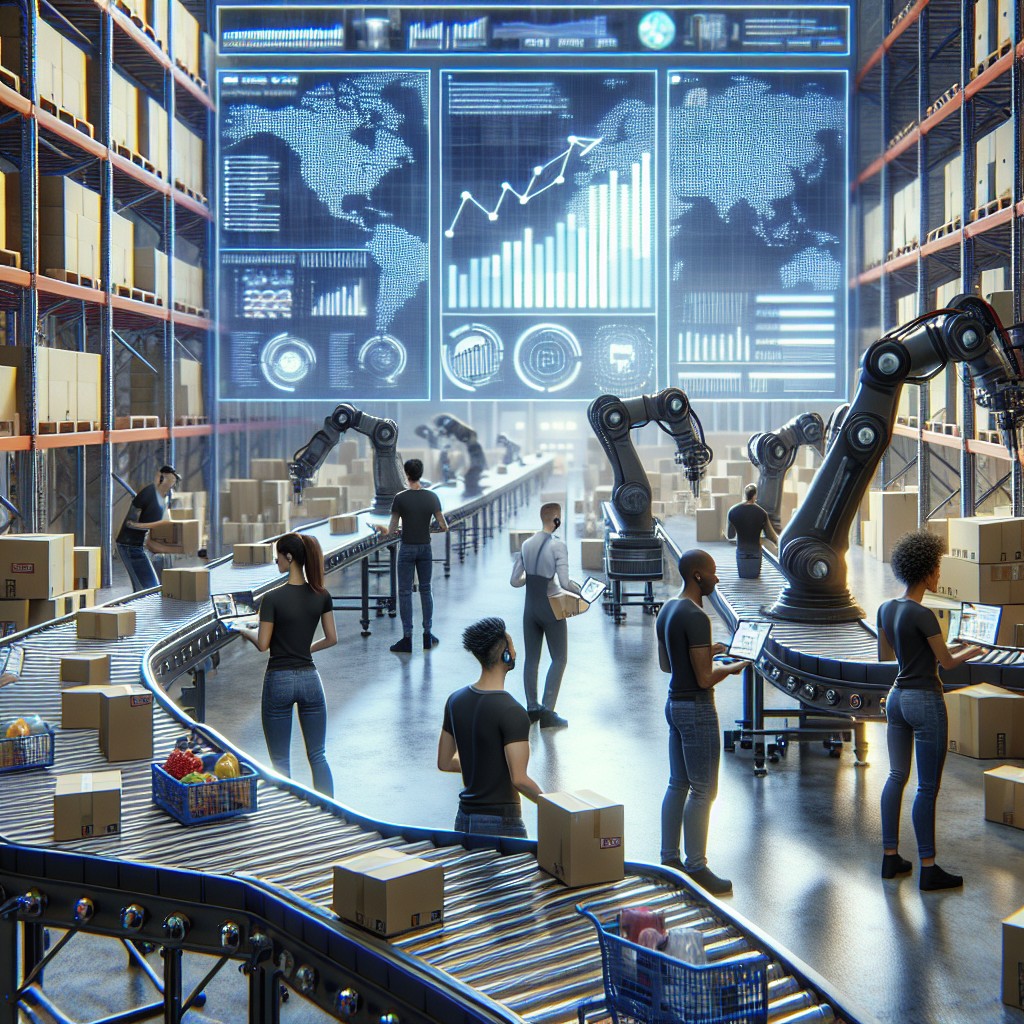
Upgrading warehouses and transportation infrastructure through automation enhances logistics resilience by streamlining operations and reducing human error. Automated sorting, packaging, and inventory management systems accelerate order fulfillment and minimize processing times. Although these investments require upfront capital, they tend to reduce operational delays and hidden labor costs over time. Implementing predictive maintenance on transport equipment also prevents unexpected breakdowns that could add unplanned expenses.
The role of collaboration in optimizing supply chains
Collaborating across the supply chain ecosystem, including suppliers, logistics providers, and customers, reinforces logistics resilience. Sharing accurate data and coordinating schedules lead to better alignment and fewer disruptions. Efficient communication platforms reduce misunderstandings that often cause delays, while joint contingency planning helps manage risks collectively. These cooperative efforts improve supply chain transparency and responsiveness without generating additional hidden costs.
In conclusion, supply chain upgrades focused on enhancing logistics resilience offer a sustainable path to reducing delays and maintaining cost control. By leveraging technology, diversifying suppliers, improving infrastructure, and fostering collaboration, companies can build stronger, more adaptable supply chains. The ongoing emphasis on logistics resilience is expected to drive continued innovation and operational excellence in global supply chains.
Frequently Asked Questions about logistics resilience
What is the definition of logistics resilience in supply chains?
Logistics resilience is the ability of a supply chain to anticipate, prepare for, respond to, and recover from disruptive events without significant delays or cost overruns.
How can companies improve logistics resilience without increasing hidden costs?
Companies can improve logistics resilience by adopting technology for better visibility, diversifying their supplier base, investing in automation, and enhancing collaboration, all of which help avoid costly surprises.
Why is technology important for logistics resilience?
Technology provides real-time tracking and predictive analytics that enable quicker responses to disruptions, thereby enhancing logistics resilience while preventing cost escalation caused by delays.
Can supplier diversification affect logistics resilience positively?
Yes, diversifying suppliers reduces dependency on single sources and exposure to regional risks, strengthening logistics resilience and minimizing chances of unplanned delays and hidden costs.
What role does collaboration play in strengthening logistics resilience?
Collaboration facilitates data sharing and joint planning, leading to greater supply chain transparency and faster resolution of issues, which supports logistics resilience effectively and economically.