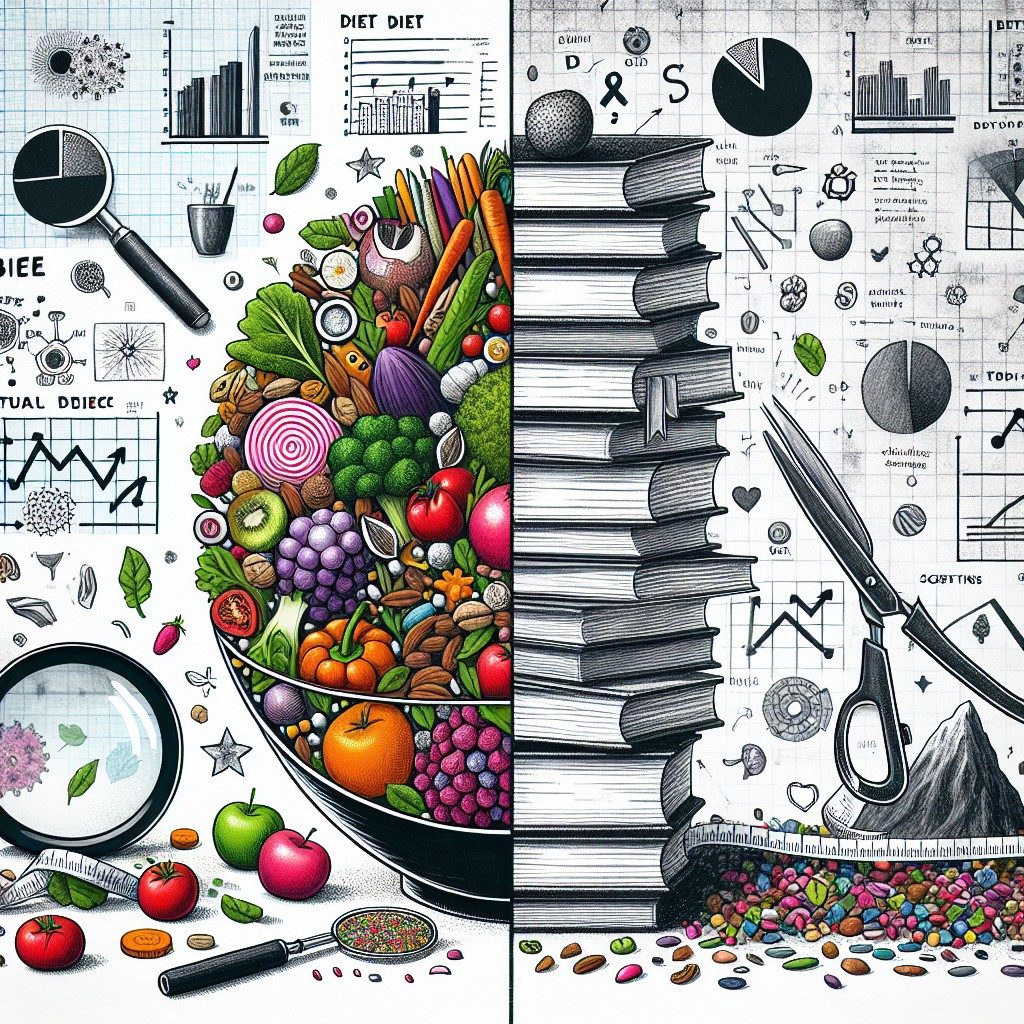
In Romania, as in many parts of the world, nutrition is often surrounded by myths and misconceptions. These misunderstandings can lead to ineffective or even harmful eating habits. Building evidence-based nutrition habits is crucial for improving public health outcomes and personal well-being across the country.
Common nutrition myths affecting Romanians
Many Romanians still believe in nutrition myths such as the idea that skipping meals leads to weight loss, or that certain foods can cure diseases on their own. Others rely heavily on anecdotal advice rather than scientific research. For example, some consider that all fat is detrimental or that carbohydrates should be eliminated entirely for effective dieting. These misconceptions can hinder the adoption of balanced diets endorsed by nutrition experts and institutions worldwide.
The role of scientific evidence in nutrition choices
Scientific evidence plays a fundamental role in shaping accurate nutrition guidelines. Organizations like the World Health Organization emphasize diets rich in fruits, vegetables, whole grains, and lean proteins, while limiting processed foods and excessive sugar. Romanian health authorities and nutritionists have started to align local recommendations with these international standards, encouraging citizens to make informed decisions based on reliable data instead of popular myths or trends.
Strategies for building evidence-based habits in Romania
Promoting education about nutrition through schools, healthcare providers, and media campaigns is essential. Offering transparent, scientifically-supported information helps individuals recognize misleading claims. Nutrition professionals in Romania are increasingly engaging with the public, dispelling false assumptions and providing practical advice suited to the local cultural context. Additionally, integrating nutrition counseling into routine medical care ensures personalized guidance backed by current research.
The impact of misinformation on public health
Misinformation about nutrition can have serious consequences for public health in Romania. Poor diet choices influenced by myths may contribute to rising rates of obesity, diabetes, cardiovascular diseases, and other chronic conditions. Addressing these issues requires a coordinated approach involving policymakers, healthcare workers, educators, and the media. Encouraging health literacy and critical evaluation of nutrition information is necessary to reverse detrimental trends and promote lasting positive lifestyle changes.
Accessing trustworthy nutrition information
Reliable sources of nutrition information are vital for informed decision-making. Romanians can benefit from consulting internationally recognized institutions such as the Nutrition Society, which provide evidence-based resources free from commercial influence. Online platforms maintained by universities, government agencies, and accredited nutrition bodies also offer validated guidance. Developing skills to identify credible content and question the origin of nutrition advice protects consumers from adopting inaccurate or harmful behaviors.
Conclusion
Nutrition myths remain prevalent in Romania, but efforts to build evidence-based habits are gaining momentum. By prioritizing education, promoting access to trusted information, and encouraging critical thinking, Romanians can make better nutrition choices that improve health outcomes. Continued collaboration between health authorities, professionals, and the public will be essential to sustain progress and combat misinformation in the years ahead.
Frequently Asked Questions about nutrition
What are some common nutrition myths in Romania?
Common nutrition myths in Romania include beliefs that skipping meals helps lose weight and that certain foods can cure illnesses without scientific backing.
How can Romanians ensure their nutrition habits are evidence-based?
Romanians can ensure their nutrition habits are evidence-based by consulting trusted sources such as international health organizations and seeking guidance from qualified nutrition professionals.
Why is misinformation about nutrition harmful to public health?
Misinformation about nutrition can lead to poor diet choices, contributing to chronic diseases like obesity and diabetes, thus negatively affecting public health.
Where can Romanians find reliable nutrition information online?
Reliable nutrition information can be found on websites of reputable organizations such as the World Health Organization and the Nutrition Society, which provide science-based guidance.
What role do healthcare providers play in shaping nutrition habits?
Healthcare providers help shape nutrition habits by offering personalized, research-backed advice and dispelling myths through patient education and counseling.