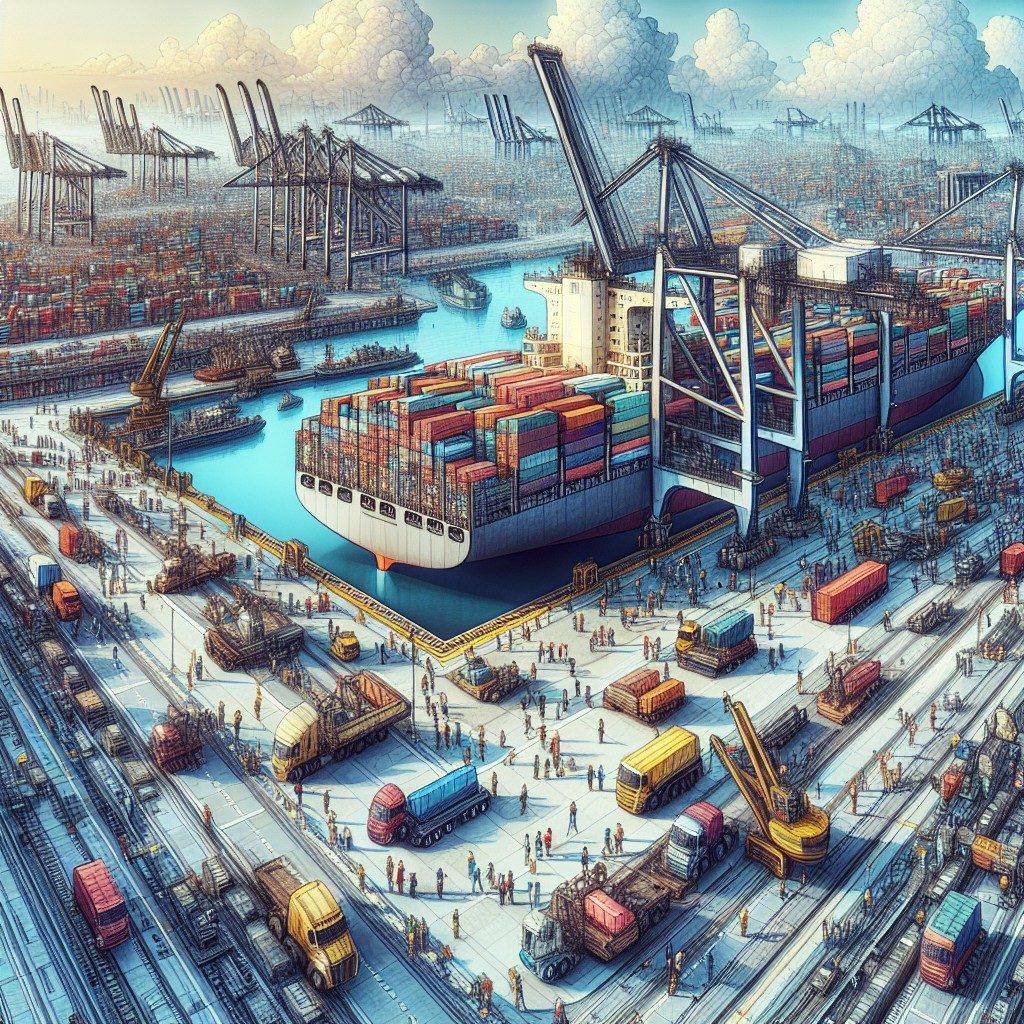
In an increasingly interconnected global economy, trade agreements have become pivotal in shaping international supply chains. Recent shifts in trade policies and agreements are altering traditional supply routes, compelling firms to reassess their logistics and sourcing strategies to remain competitive.
New trade agreements and their impact on logistics
Recent years have seen the emergence and modification of multiple regional and bilateral trade agreements impacting how goods move across borders. Agreements such as the Regional Comprehensive Economic Partnership (RCEP) in Asia, and updates to the United States-Mexico-Canada Agreement (USMCA), have introduced new tariff regimes and regulatory requirements. These changes influence the cost-effectiveness of specific supply routes and can lead to the diversion of shipments to favor countries with preferential access. As a result, companies are reevaluating their logistics networks to optimize efficiency and reduce costs under evolving trade frameworks.
Shifts in manufacturing hubs due to trade pacts
Manufacturing locations are adapting in response to trade agreements that affect tariffs, labor costs, and market access. For instance, Southeast Asia has gained prominence as an alternative manufacturing hub, partly due to trade agreements that provide advantageous terms compared to traditional centers like China. This geographic shift influences how firms organize their supply chains, often requiring adjustments in transportation routes and storage facilities to align with new production locales and minimize exposure to trade barriers.
Compliance challenges and regulatory considerations
Trade agreements bring a complex set of compliance requirements. Rules of origin, customs procedures, and standards differ based on each agreement, necessitating careful documentation and verification processes. Firms must invest in monitoring regulatory changes to avoid penalties and ensure smooth customs clearance. Failure to comply with these evolving trade agreement provisions can result in delays and increased costs, underscoring the importance of legal and operational readiness in supply chain management.
Technology’s role in adapting to new supply routes
Advances in digital technologies are crucial for firms adapting to the changes brought about by trade agreements. Real-time tracking, blockchain-based documentation, and supply chain analytics enable companies to gain better visibility and agility. These tools help in evaluating alternative routes, managing risks, and maintaining compliance with trade agreement specifications. Leveraging technology allows firms to respond proactively to disruptions or shifts in supply chain configurations driven by trade policy changes.
What firms should monitor moving forward
Businesses should closely watch evolving trade negotiations and newly implemented agreements that could affect supply costs and regulatory environments. Monitoring geopolitical developments, tariff changes, and customs adjustments is essential for anticipating supply chain reconfiguration needs. Additionally, firms must evaluate their dependence on single sources or regions that may be adversely impacted and consider diversification strategies. Engagement with industry associations and international organizations can provide valuable insights into ongoing developments in trade agreements.
As global trade continues to be reshaped by new agreements, companies must adapt strategically to maintain supply chain resilience and cost competitiveness. Close attention to regulatory changes, investment in technology, and strategic flexibility will be critical for navigating this dynamic landscape.
In summary, trade agreements are significantly altering supply routes worldwide, requiring firms to stay informed and agile. Those that proactively adjust their strategies will be better positioned to capitalize on emerging opportunities and mitigate risks in global commerce.
Frequently Asked Questions about trade agreements
How do trade agreements affect global supply routes?
Trade agreements influence tariffs, regulations, and market access, which together determine the cost and efficiency of different supply routes. Changes in these agreements often prompt firms to shift logistics networks to benefit from preferential terms.
What should companies watch for in new trade agreements?
Companies should monitor changes in tariff schedules, rules of origin, customs procedures, and compliance requirements within new trade agreements to ensure smooth operations and avoid unexpected costs or delays.
Can trade agreements impact manufacturing location decisions?
Yes, trade agreements that alter tariff structures and market accessibility can incentivize companies to relocate manufacturing hubs to countries offering better terms, impacting supply chain configurations.
How does technology help firms adapt to changes from trade agreements?
Technology such as supply chain analytics, real-time tracking, and digital compliance tools aids firms in swiftly adjusting to changes in trade agreements, improving visibility and managing risks effectively.
Why is it important to diversify supply chains in light of trade agreements?
Diversifying supply chains reduces dependency on any single country or route that might be adversely affected by trade agreements, enhancing resilience and flexibility amid shifting trade landscapes.